Gunite and Wet-Mix Shotcrete Pool Shells: What the Process Changes
This guide explains how dry-mix (gunite) and wet-mix shotcrete processes differ when building a residential pool shell. It covers structural application, rebound waste, curing timelines, and what to evaluate in a construction contract. The information below draws from guidance published by the American Shotcrete Association.
Contents
- What is the structural difference between gunite and shotcrete pool shells?
- Which application method produces higher shell density and lower porosity?
- How much rebound waste should a homeowner expect from gunite versus shotcrete?
- What are the curing requirements and timelines for each pool shell method?
- How do gunite and shotcrete compare in long-term structural integrity for water retention?
- Which method should you specify in your residential pool construction contract?
Key takeaways
- Pool construction discussions often treat "gunite" and "shotcrete" as two structurally different materials.
- Ask for the density or porosity requirements in your project specification rather than choosing by the process name alone.
- According to the American Shotcrete Association , rebound is substantially less in the wet-mix shotcrete process than in the dry-mix shotcrete process.
- Curing of the in-place concrete shell is the same for both wet and dry processes.
- The American Shotcrete Association states that when properly done, there should be no difference in performance between pools built with the wet and dry shotcrete processes.
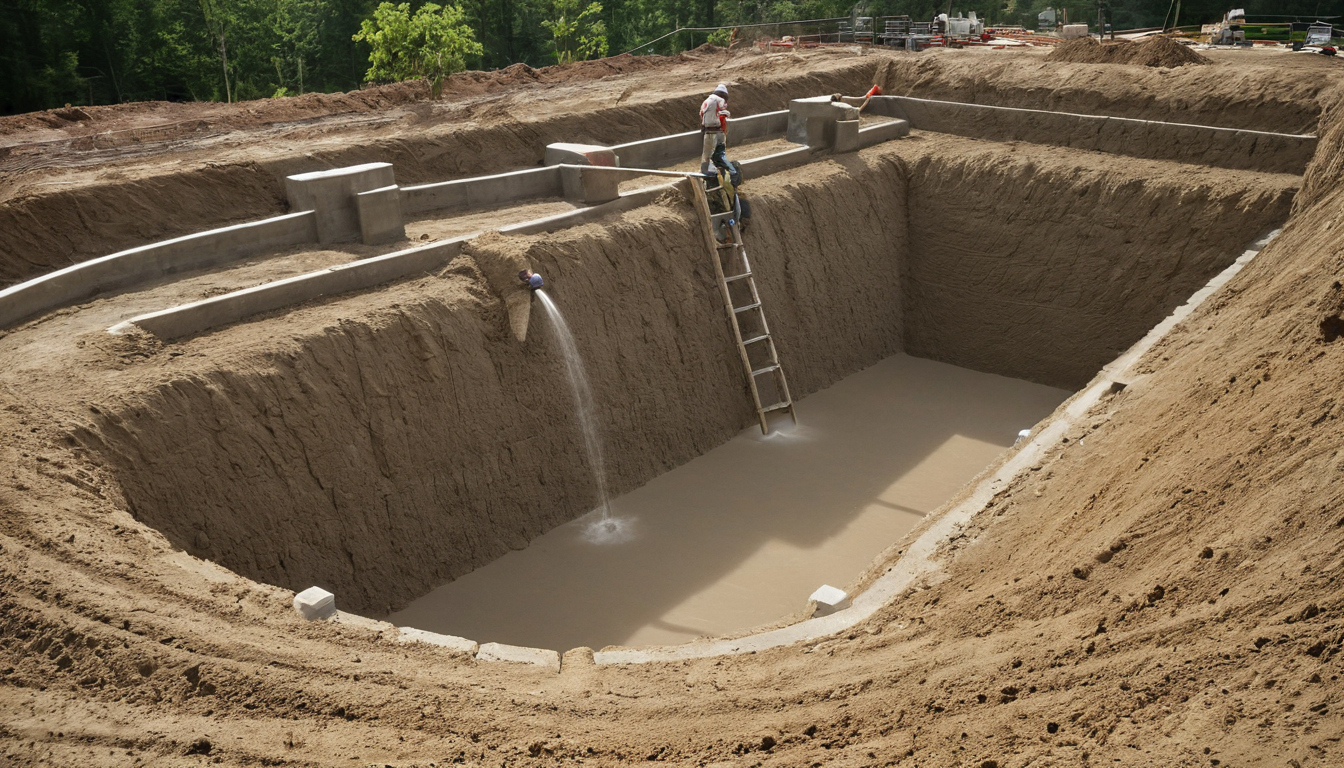
What is the structural difference between gunite and shotcrete pool shells.
What is the structural difference between gunite and shotcrete pool shells?
Pool construction discussions often treat "gunite" and "shotcrete" as two structurally different materials. According to the American Shotcrete Association, this framing is inaccurate. Shotcrete is an all-inclusive term describing the spraying of concrete or mortar through either a dry- or wet-mix process, while gunite refers only to the dry-mix process. Shotcrete is a method of placing concrete, not a special product.
In the dry-mix (gunite) process, the dry cementitious mixture travels through a hose to the nozzle. Water is injected immediately before application, and mixing finishes as the material hits the receiving surface. Large aggregate is seldom used with this process.
In the wet-mix shotcrete process, a previously prepared mixture, typically ready mixed concrete, is pumped to the nozzle, where compressed air propels it onto the receiving surface. Wet-mix shotcrete mixtures usually contain minus 1/2 in. aggregate, although larger-size aggregate has also been used.
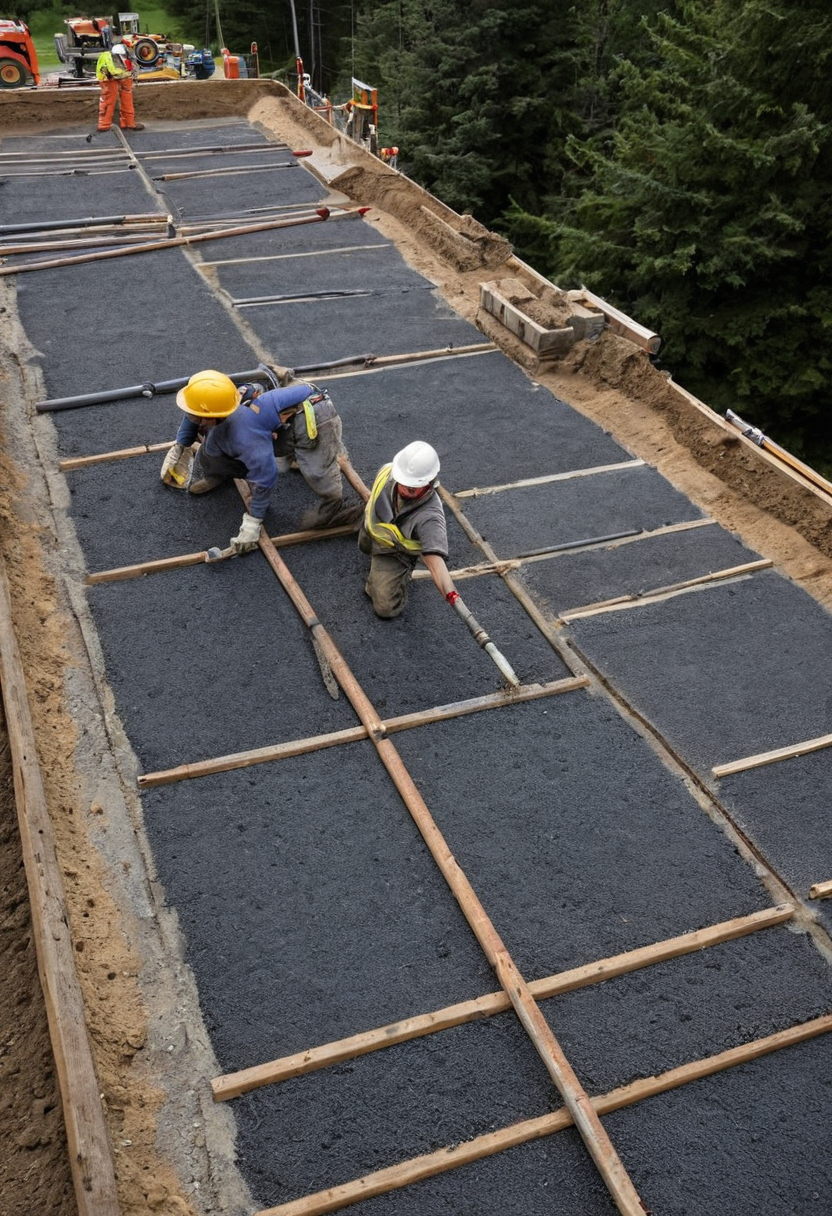
Which application method produces higher shell density and lower porosity.
The American Shotcrete Association notes that pools are built with both the wet and dry shotcrete processes. When properly done, there should be no difference in performance between them. Shotcrete can be applied successfully with either method.
Which application method produces higher shell density and lower porosity?
Ask for the density or porosity requirements in your project specification rather than choosing by the process name alone. The American Shotcrete Association states that because shotcrete is a method of placing concrete rather than a special product, all recommended practices for concrete placed by any other method apply to shotcrete.
To evaluate density and porosity for your specific project, ask your contractor or ready-mix supplier these questions:
How much rebound waste should a homeowner expect from gunite versus shotcrete?
According to the American Shotcrete Association, rebound is substantially less in the wet-mix shotcrete process than in the dry-mix shotcrete process. Ask the contractor how rebound will be handled on your project and record the proposed procedure in the construction documents.
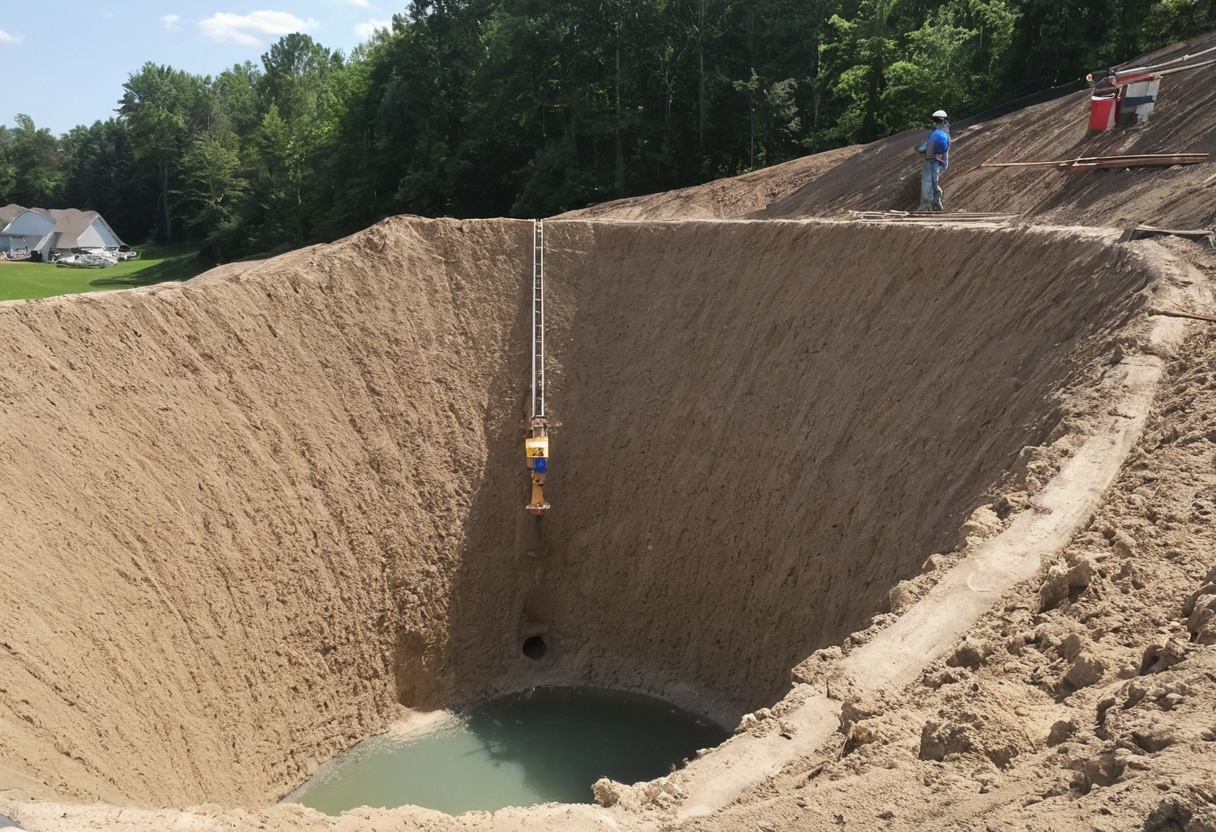
How much rebound waste should a homeowner expect from gunite versus shotcrete.
The American Shotcrete Association emphasizes that rebound and trimmed concrete play a key role in the final quality of the pool shell, and how they are incorporated should be evaluated. When reviewing a contractor's proposal, ask specifically how rebound material will be managed. Request clarification on whether rebound is removed entirely from the work area or if it is re-incorporated into the shell, and what quality controls govern that decision.
What are the curing requirements and timelines for each pool shell method?
Curing of the in-place concrete shell is the same for both wet and dry processes. The American Shotcrete Association specifies that both methods require water curing for 7 days. Because shotcrete is a method of placing concrete, all recommended practices for concrete placed by any other method, including curing and protection, also apply to shotcrete.
For the wet-mix method, timing begins earlier in the supply chain. The American Shotcrete Association states that wet concrete has a 90 minute window from the time it is batched at the plant until it is placed. Additionally, the temperature of the material and the air temperature can increase or decrease the set times of the concrete for both methods.
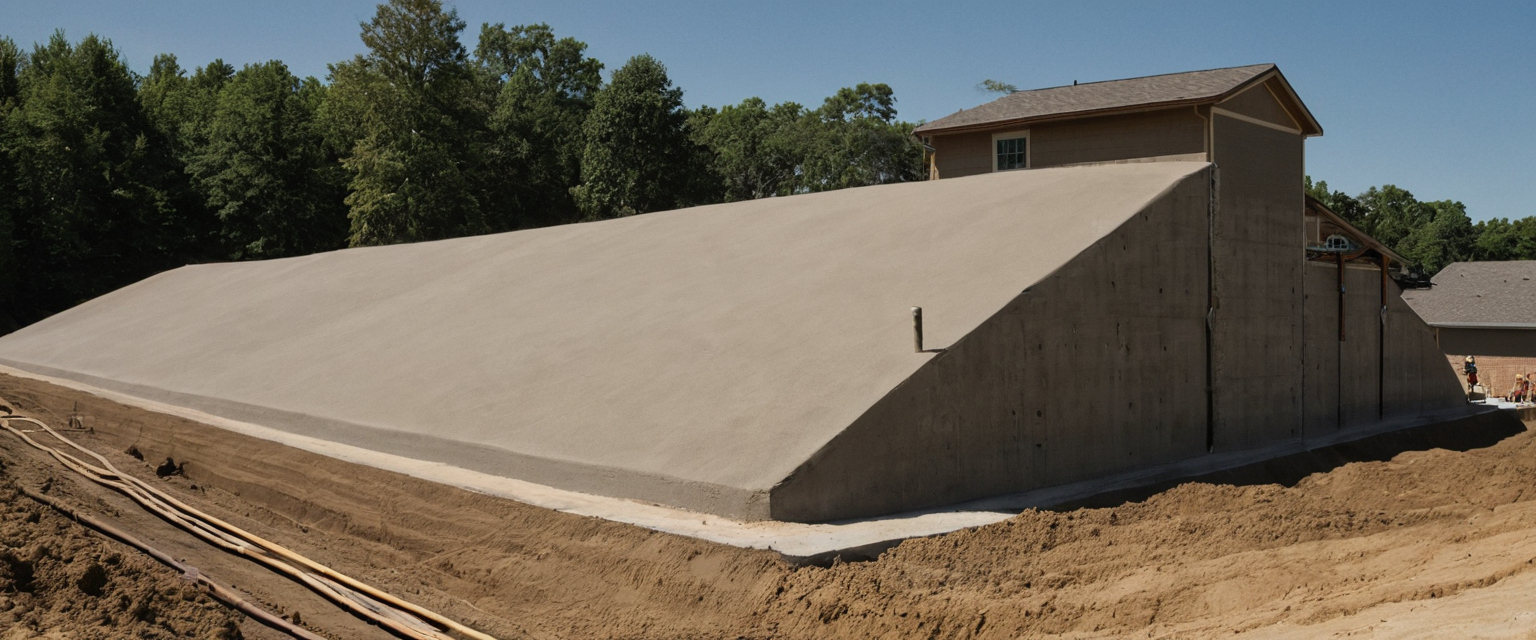
What are the curing requirements and timelines for each pool shell method.
As practical guidance, ensure your construction schedule accounts for the 7-day water curing period before subsequent trades begin work on the shell. Confirm with your contractor how water curing will be maintained continuously over that duration, particularly during high-temperature periods that may accelerate moisture loss.
How do gunite and shotcrete compare in long-term structural integrity for water retention?
The American Shotcrete Association states that when properly done, there should be no difference in performance between pools built with the wet and dry shotcrete processes. Long-term structural integrity relies on proper execution rather than the choice of method itself.
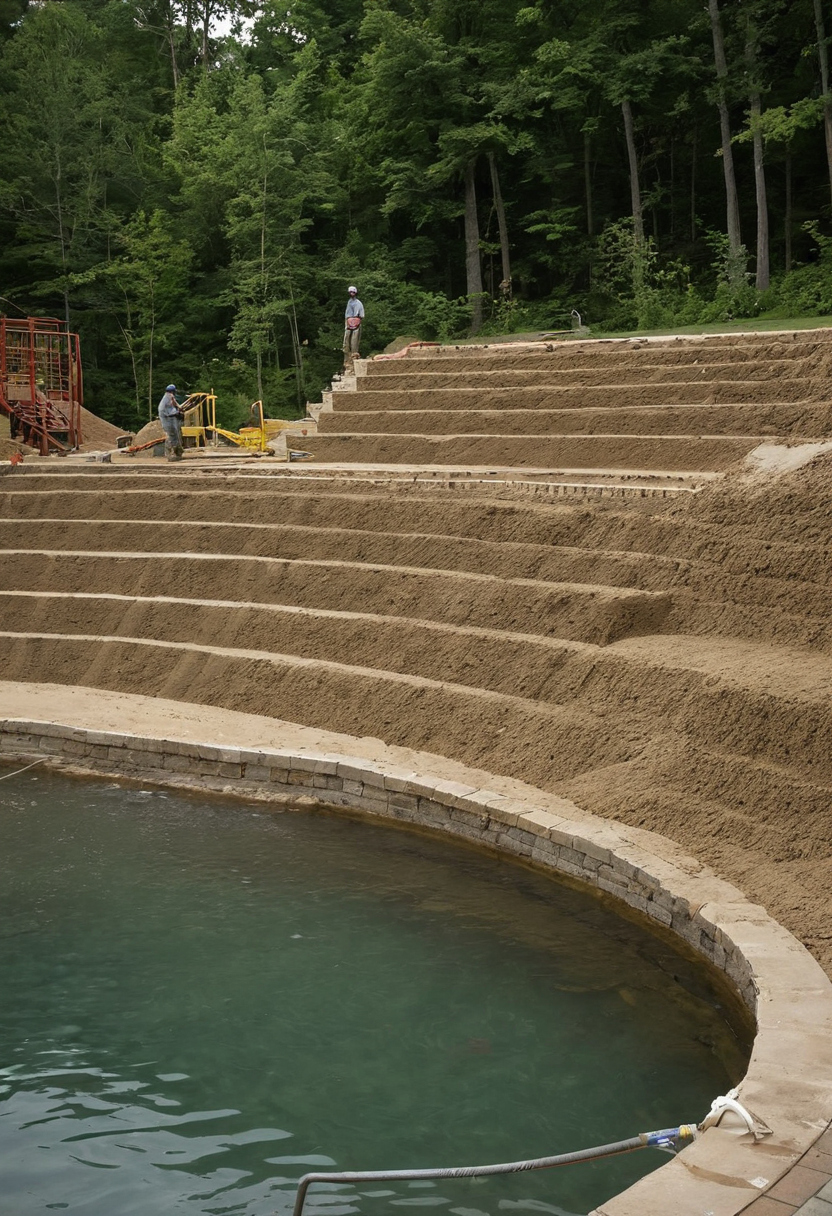
How do gunite and shotcrete compare in long-term structural integrity for water retention.
Water control during placement is a critical variable. For the dry-mix process, the nozzleman must exercise great care in adding the necessary amount of water while shooting, and complete mixing of water and dry ingredients is not possible in the nozzle. This requires a very highly skilled nozzleman, especially for thick or heavily reinforced sections. In the wet-mix process, the nozzleman does not have to be concerned with controlling water addition, as the mixture is prepared beforehand.
Excess water compromises integrity. The American Shotcrete Association warns that adding 1 gallon of water over the design mix (the specified amount of gallons of water per yard of concrete) can decrease the strength of the concrete by 200psi. To protect long-term water retention, ask your contractor how water additions are controlled on site. Ready-mix companies typically hold back 10-15 gallons of water in the mix so that the contractor can adjust the slump of the concrete on site; verify who authorizes those adjustments and how they are documented.
Which method should you specify in your residential pool construction contract?
The American Shotcrete Association indicates that shotcrete can be applied successfully with either the dry-mix or wet-mix method, and when properly done, there should be no difference in performance between them. The appropriate specification depends on project logistics rather than inherent superiority.
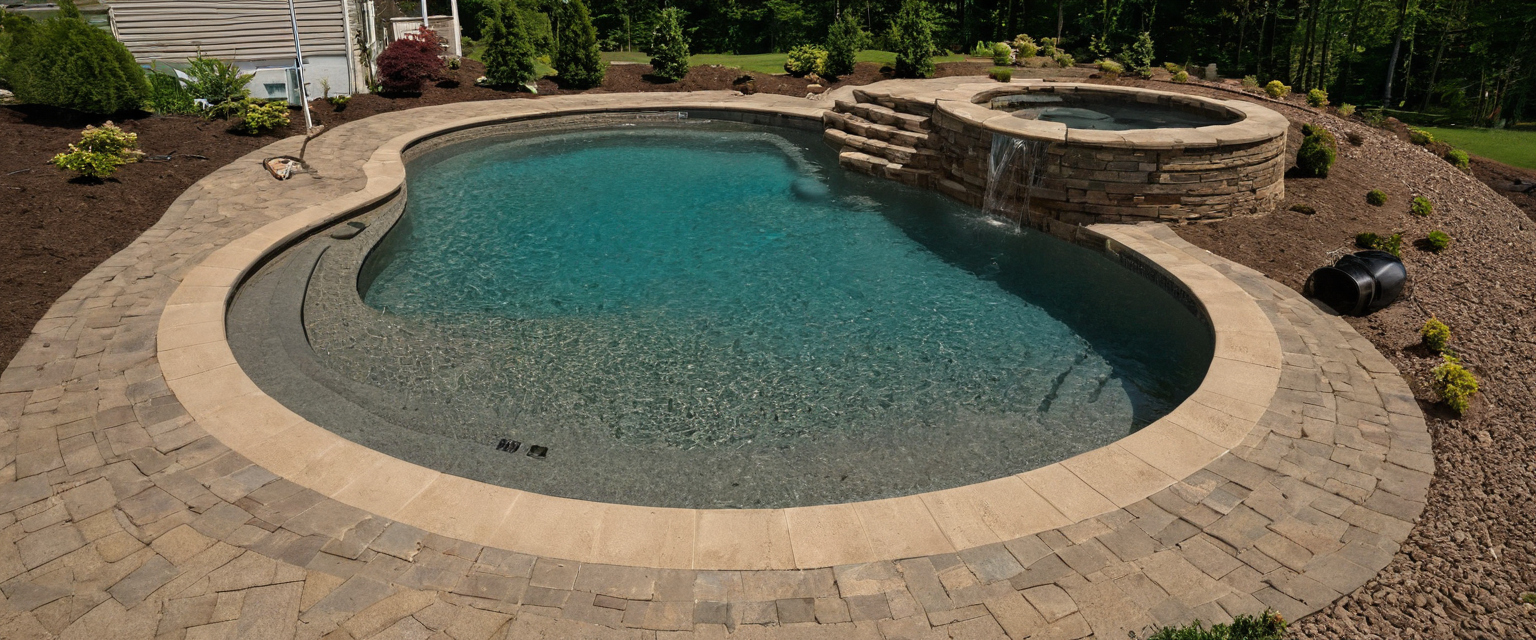
Which method should you specify in your residential pool construction contract.
The dry-mix shotcrete process tends to be more favorable for lower volume placements and allows for more frequent relocations of equipment and easier cleaning at the end of placement. The wet-mix shotcrete method is more favorable for larger volume placements. Depending on pool complexity, the wet method placement can be faster than the dry method. However, the wet-mix method is less efficient when there is a requirement for frequently starting and stopping placements, and the wet shotcrete mixture has a limited pot-life.
When drafting or reviewing your contract, consider asking your builder these questions:
Frequently Asked Questions
Is gunite a different material from shotcrete? No. According to the American Shotcrete Association, shotcrete is an all-inclusive term for spraying concrete or mortar through either a dry- or wet-mix process. Gunite refers only to the dry-mix process. The term "shotcrete" first occurred in Railroad Age magazine more than 50 years ago in place of the proprietary word "Gunite," and has been used by the American Concrete Institute since at least 1967 to describe all sprayed concrete or mortar.
Does the wet-mix method produce a stronger pool shell than gunite? The American Shotcrete Association states that when properly done, there should be no difference in performance between pools built with the wet and dry shotcrete processes. Strength depends on proper execution, mix design, and water control rather than the application method alone.
Why might a pool company request a contract change from dry-mix to wet-mix? The American Shotcrete Association notes that depending on pool complexity, the wet method placement can be faster than the dry method. The wet-mix method is also more favorable for larger volume placements and produces substantially less rebound. However, it is less efficient if the job requires frequently starting and stopping placements due to the limited pot-life of the wet mixture.
How long does a shotcrete pool shell need to cure? The American Shotcrete Association specifies that curing of the in-place concrete shell is the same for both wet and dry processes, requiring water curing for 7 days. Material and air temperatures can affect set times.
For more on this topic, see other guides on this site.